

Late Preterm Infant (Near-Term)
Attributes to meet: PDF: Download File, Fact Sheets
Download File: condition met
Fact Sheet, 2023
A late preterm infant is a baby that is born between 34-36 (almost 37) weeks of pregnancy. This fact sheet provides information about some health problems that might affect a late preterm infant, things that caregivers and parents should watch for, and some questions to be discussed before leaving the hospital.
Related products
-

Sleep Skills
Brochure, Revised 2023
Good sleep among infants and young children is important for their physical, mental, and emotional well-being. This brochure, designed for use with parents and caregivers, explains what can affect your child’s sleep, how parents and caregivers can help their child go to sleep, and sleep guidelines for children 0-6 years old.
SKU: 5-802 -

Neonatal Abstinence Syndrome
Fact Sheet, 2020
Neonatal abstinence syndrome (NAS) is a condition whereby infants who are exposed to particular substances in the womb experience a variety of withdrawal symptoms shortly after they are born. This fact sheet shares information about the signs and symptoms of NAS, treatment, at-home care recommendations, and potential long-term outcomes.
SKU: 2-906 -
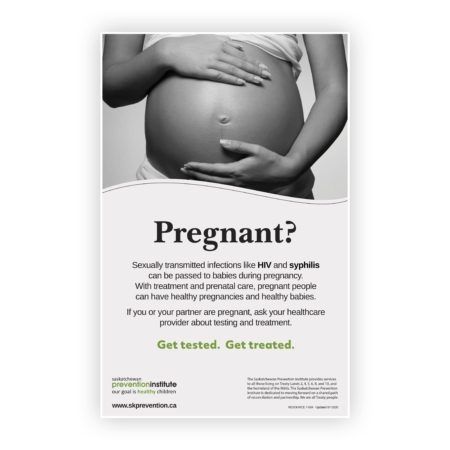
Pregnant? Get tested for HIV and Syphilis
Poster, 2026
HIV and syphilis can be passed from a pregnant person to their growing baby during pregnancy. This poster brings awareness to the importance of testing, treatment, and prenatal care for the health of pregnant people and their babies.
SKU: 7-004 -

Neonatal Abstinence Syndrome Literature Review
Report, 2020
Neonatal abstinence syndrome (NAS) is a condition whereby some infants exposed to particular substances in utero experience a variety of postnatal withdrawal symptoms shortly after birth. Increased rates of NAS have been reported in Canada over the past decade. This review provides information about the development and effects of NAS, modes of assessment, treatment options (both pharmacological and non-pharmacological), care guidelines for parents and caregivers, and primary prevention strategies.
SKU: 2-905