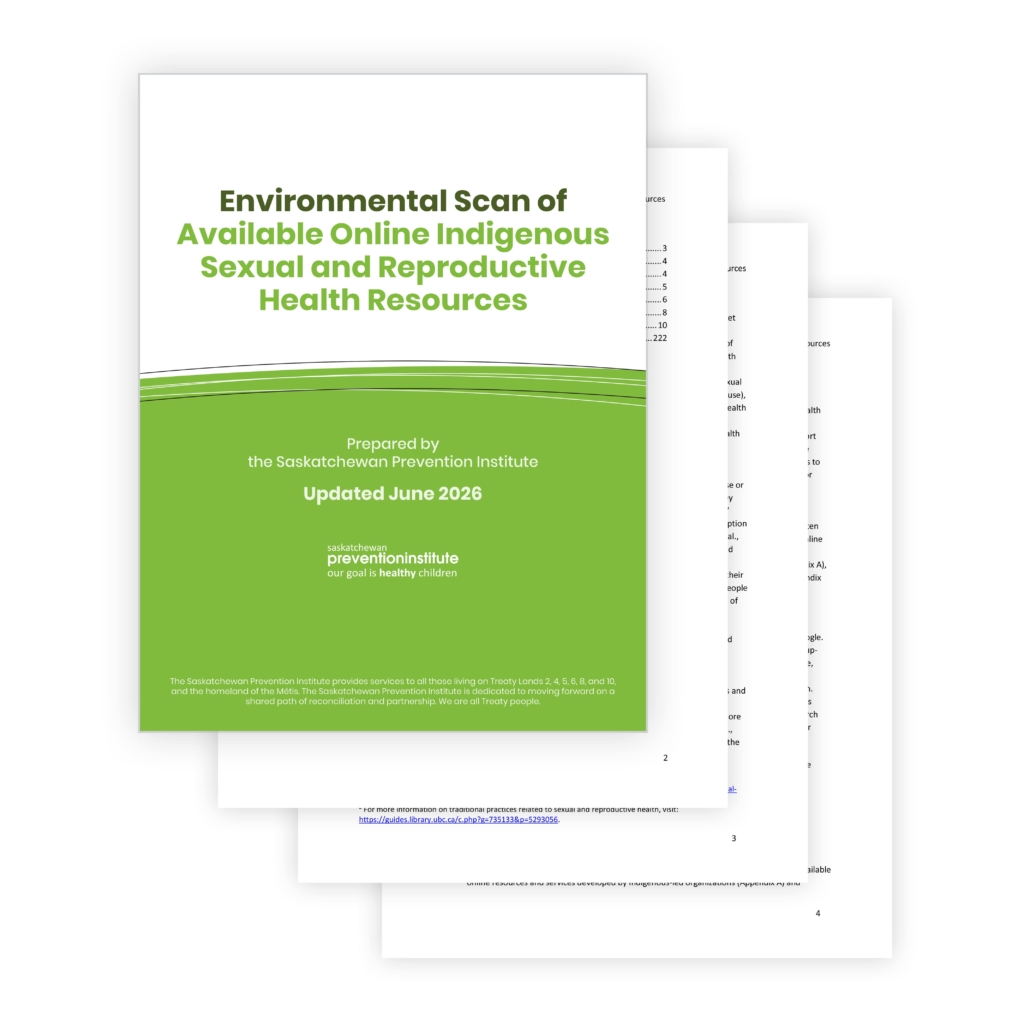
Environmental Scan of Available Online Indigenous Sexual and Reproductive Health Resources
Attributes to meet: PDF: Download File, Reports
Download File: condition met
Report, Updated 2026
Sexual and reproductive health are important for overall health and well-being. Indigenous communities in Canada continue to experience sexual and reproductive health disparities due to limited health care access, poor quality of care, discrimination within the healthcare system, and ongoing impacts of colonization. In an effort to reduce these disparities and improve sexual and reproductive health outcomes, communities and organizations are creating resources, services, and programs that better meet the needs of Indigenous people. This report highlights available sexual and reproductive health resources and services in Canada created by or in partnership with Indigenous people.
Related products
-

HIV, Pregnancy, and Tobacco Use
Fact Sheet, Revised 2024
This fact sheet explains that for women living with HIV, smoking tobacco during pregnancy can increase the chances that HIV will be passed to the baby. Information about traditional tobacco use is included, along with resources to help pregnant women and those planning a pregnancy to quit or reduce their tobacco use.
SKU: 7-515 -

Learning about My Body: Two to Five Years of Age
Booklet, Revised 2024
Parents are the most important influence in a child’s life. Children learn about culture, spiritual beliefs, moral values, and social skills from their parents. Parents also play a crucial role in the physical, mental, emotional as well as sexual health development of their children.
This book has been developed to support parents as their children’s sexual health educators. In particular, this book is meant to help parents share important messages with their children on growth and development.
This book is available for loan through all Saskatchewan Public Libraries.SKU: 7-210 -

HIV: Healthy Pregnancies and Healthy Babies
Booklet, 2018
This booklet is designed for people living with HIV who are planning a pregnancy or are already pregnant. Topics include basic HIV and HIV treatment information, how to stay healthy before and during pregnancy, unique issues that may face women living with HIV, and where to go for more information and support. The booklet is an update to the previous HIV and pregnancy-related pamphlets provided by the Saskatchewan Prevention Institute.
SKU: 7-005 -

Sexually Transmitted Infections (STIs) Executive Summary
Report, 2011
This executive summary is for the report “Sexually Transmitted Infections and Their Effects on Fertility, Pregnancy, and the Newborn: An Environmental Scan of Available Resources and a Preliminary Needs Assessment for Saskatchewan Health Care Providers”.
Download the Sexually Transmitted Infections (STIs) – ReportSKU: 7-503